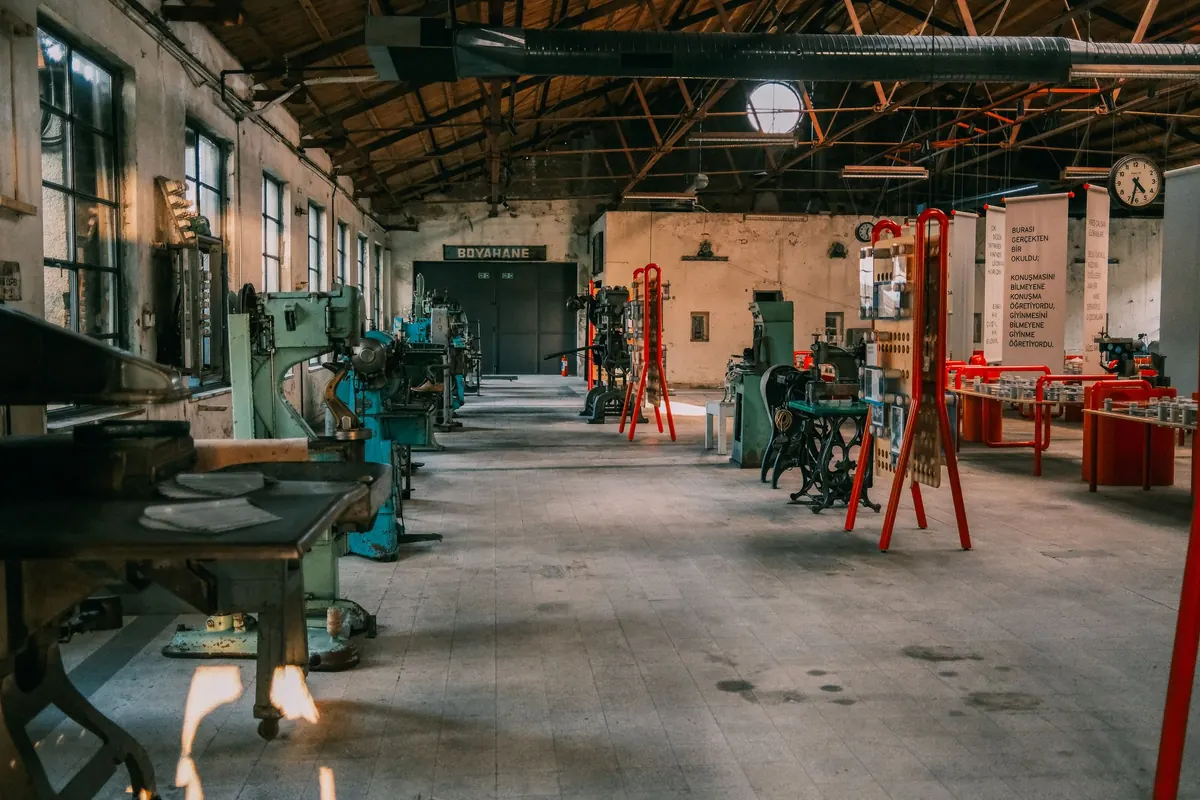
Equipment, vehicles, computers, furniture and building improvements are recorded as fixed assets rather than expenses when they exceed your capitalization threshold. A fixed asset register is the list of those assets with the details needed for depreciation, insurance and eventual sale. The IRS explains basis and depreciation in Publication 551 and Publication 946.
What to record for each asset
- Description and, for equipment and vehicles, serial or VIN numbers
- Date acquired and date placed in service
- Cost, including shipping, installation and sales tax, which are generally part of basis
- Location or user
- Asset category for book and tax depreciation
- Depreciation method and life for books, and the tax treatment used by your preparer, including any section 179 or bonus depreciation
- Accumulated depreciation to date
- Disposal date, method and proceeds when sold, traded or scrapped
Capitalization threshold
Decide the dollar amount below which purchases are expensed. Many small businesses align it with the de minimis safe harbor. A consistent threshold keeps the register focused on assets that matter.
Book and tax depreciation can differ
Your books may depreciate an asset over its useful life while the tax return takes accelerated deductions. Keeping both columns in the register prevents confusion when the balance sheet on the tax return does not match the books.
Disposals and trade-ins
When an asset is sold or scrapped, remove its cost and accumulated depreciation and record any gain or loss. Trade-ins of vehicles and equipment are frequent sources of errors because the new asset's purchase often hides the old one's disposal in one transaction. Sales of business property are reported on Form 4797.
Reconcile the register to the books
At least annually:
- Total cost in the register equals the fixed asset accounts in the balance sheet
- Total accumulated depreciation equals the contra-asset accounts
- Additions in the year match purchases capitalized in the ledger
- Disposals are reflected in both
Physical check
Walk through the assets once a year. Items that were sold, lost or scrapped years ago often remain on the register, overstating assets and missing write-offs.
Why it matters beyond tax
Insurers ask for asset lists after a loss, lenders ask for them when assets are collateral, and buyers ask for them when a business is sold. See what is depreciation and our accounting services.
Reconciling the register to the books
At least once a year, the register should agree with the general ledger:
- Total cost of assets in the register should equal the fixed asset accounts in the balance sheet
- Total accumulated depreciation should equal the accumulated depreciation account
- Depreciation expense for the year should equal the expense recorded in the profit and loss statement
Differences usually mean an asset was purchased but not added, sold without being removed, or depreciation was booked using a different schedule. Note that book and tax depreciation can legitimately differ, so many businesses keep both columns.
Physical verification
Every year or two, walk through the business with the register and confirm each asset still exists and is in use. Assets that were scrapped, lost or given away should be removed, with the remaining basis recorded as a loss where appropriate. Your tax preparer will need the dates and amounts.
Key terms
Definitions for terms used in this guide, from our small business glossary:
- Assets: Assets are resources a business owns or controls that are expected to provide future economic benefit.
- General Ledger: The general ledger is the complete record of every transaction posted to every account in a business's books.
- Accumulated Depreciation: Accumulated depreciation is the total depreciation recorded on an asset since it was placed in service.
- Balance Sheet: A balance sheet shows what a business owns, what it owes and the owners' equity at a specific date.
- Depreciation: Depreciation spreads the cost of a long-lived business asset over the years it is used, rather than deducting it all at once.