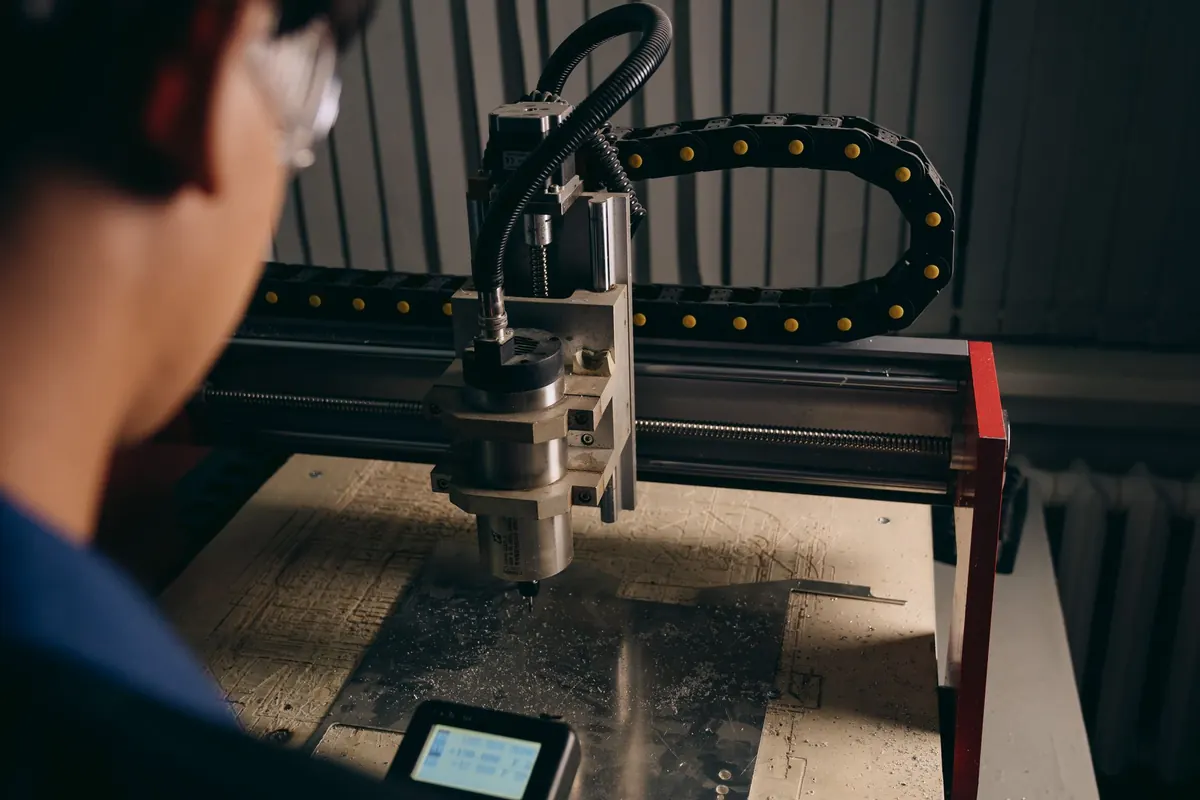
Normally the cost of equipment is depreciated over several years. Section 179 of the tax code lets a business elect to deduct all or part of the cost of qualifying property in the year it is placed in service, subject to limits. The IRS explains the rules in Publication 946 and the instructions for Form 4562.
What property qualifies
Qualifying property generally includes tangible personal property used more than 50% in the active conduct of a trade or business, such as machinery, equipment, computers, furniture and many vehicles. Off-the-shelf software and certain improvements to nonresidential real property, such as roofs, HVAC, fire protection and security systems, can also qualify. Land and most buildings do not.
The annual limits
There is a maximum amount that can be expensed each year and a threshold above which the maximum is reduced dollar for dollar as total qualifying purchases increase. Both are adjusted for inflation and were changed by recent legislation; Publication 946 and the Form 4562 instructions list the current figures.
The business income limit
The section 179 deduction cannot exceed taxable income from the active conduct of any trade or business during the year. Amounts disallowed by this limit carry forward. This is a key difference from bonus depreciation, which can create a loss.
Vehicles
Heavy SUVs, pickups and vans above certain weight thresholds have their own section 179 limits, and passenger automobiles are subject to annual depreciation caps. Business use must exceed 50%; if it later drops to 50% or less, part of the deduction may be recaptured.
Section 179 vs bonus depreciation
Bonus depreciation allows an additional first-year deduction for qualifying property and is applied automatically unless the business elects out. Its percentage has changed over the years and was modified by recent legislation. The two are often used together; your preparer chooses the combination that fits your income, state rules and plans.
State conformity
Many states do not follow federal section 179 or bonus depreciation fully. A deduction that reduces federal tax may not reduce state tax by the same amount.
Should you expense everything?
Not necessarily. Expensing reduces current taxable income but leaves no depreciation for future years, when income might be higher. For S corporations and partnerships, it also affects owners' basis. For businesses planning to sell equipment soon, recapture may apply.
What we provide
We keep a fixed asset register with dates, costs and business-use percentages, which your preparer needs to make the election on Form 4562. See also what is depreciation and our tax services.
Bookkeeping for Section 179 assets
Record the asset at cost in your fixed asset accounts even if you expect to expense it fully for tax. The book and tax treatment can differ, and your register should track both. Note the date placed in service, business-use percentage and the amount elected, since these affect later years and any recapture on sale.
Coordinating with bonus depreciation
Section 179 and bonus depreciation can both accelerate deductions, but they work differently. Section 179 is elective by asset and limited by business income, while bonus depreciation generally applies by class of property unless you elect out. Your preparer can choose the combination that fits your situation. Publication 946 explains both.
State conformity
Some states do not follow federal Section 179 limits or bonus depreciation, which can create separate state depreciation schedules.
Key terms
Definitions for terms used in this guide, from our small business glossary:
- Assets: Assets are resources a business owns or controls that are expected to provide future economic benefit.
- Depreciation: Depreciation spreads the cost of a long-lived business asset over the years it is used, rather than deducting it all at once.